36+ Glycogen storage disease animation information
Home » Wallpapers » 36+ Glycogen storage disease animation informationYour Glycogen storage disease animation images are available. Glycogen storage disease animation are a topic that is being searched for and liked by netizens today. You can Get the Glycogen storage disease animation files here. Get all free vectors.
If you’re looking for glycogen storage disease animation images information linked to the glycogen storage disease animation keyword, you have pay a visit to the right site. Our site frequently provides you with hints for refferencing the maximum quality video and picture content, please kindly surf and find more informative video content and graphics that match your interests.
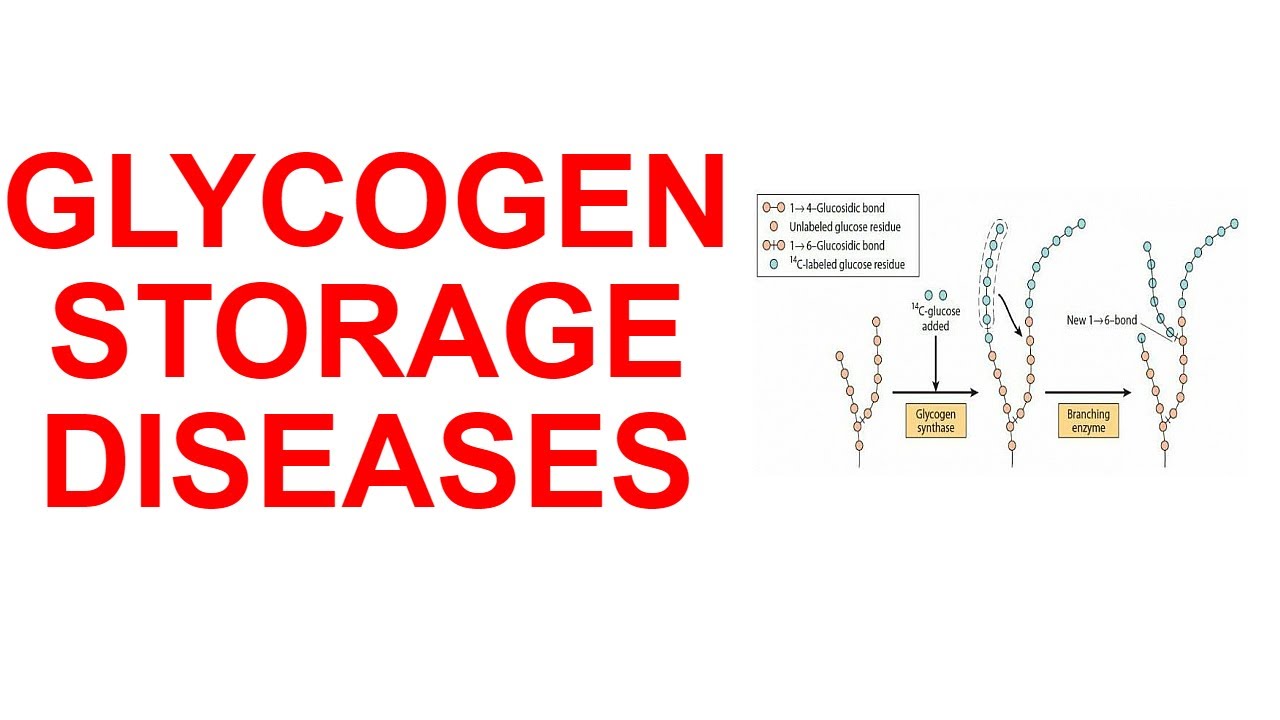
Glycogen Storage Disease Animation. Introduction Glycogen- Glycogen an important energy source is found in most tissues but is especially abundant in liver and muscle. This video serves as a tool for clinicians to explain the role and principles of the ketogenic diet to patients. In the liver glycogen serves as a glucose reserve for the maintenance of normoglycemia. In muscle glycogen provides energy for muscle contraction.
 Glycogen Storage Disorders Authorstream From authorstream.com
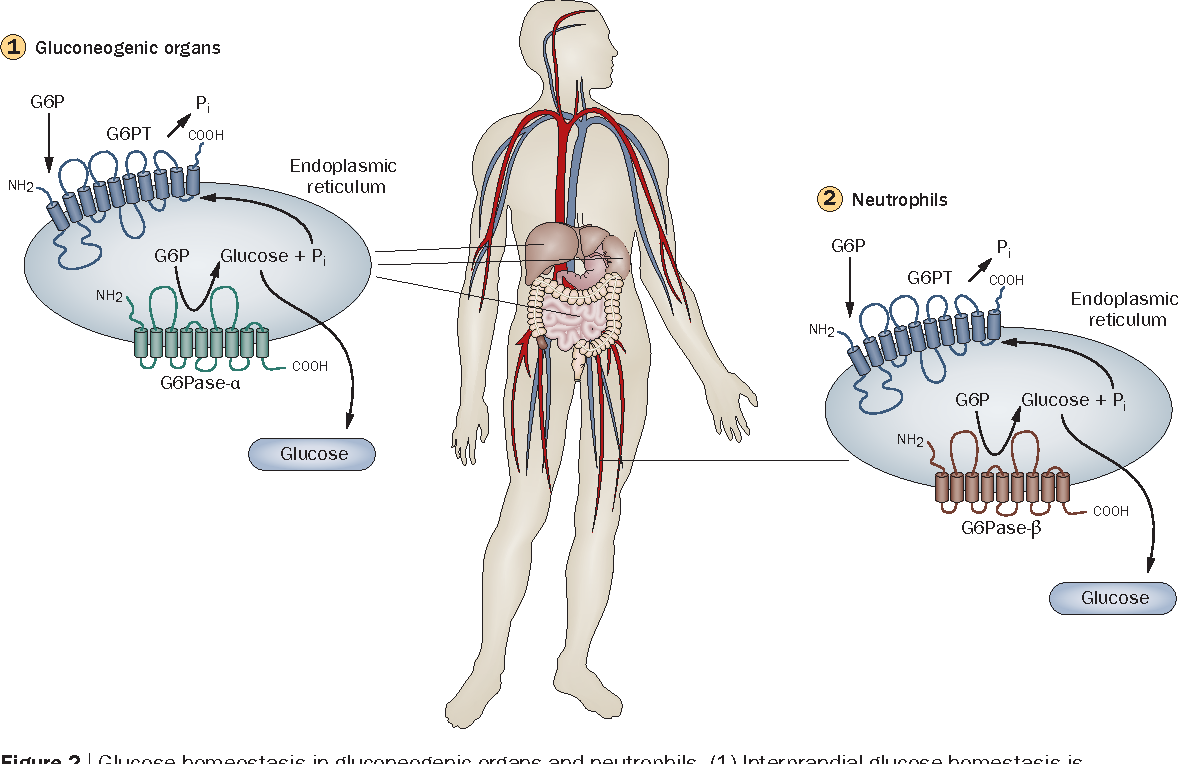
Glycogen is stored in the liver. It is the only glycogen storage disease with a defect in lysosomal metabolism and the first glycogen storage disease to be identified in. Glycogen storage disease IV Andersens disease is a deficiency of the branching enzyme 14-glucan-6-glycosyl-transferase amylopectinosis in which glycogen and amylo-pectin accumulate in the liver and other organs. Introduction Glycogen- Glycogen an important energy source is found in most tissues but is especially abundant in liver and muscle. 1 2 3 While glycogen storage disease type 2 is a single disease it may be classified in 2 forms according to the rates of disease progression its severity and the age at which symptoms start. Neutropenia andor neutrophil dysfunction develops in GSD1b but not in other types.
They mostly tend to affect your liver and muscles.
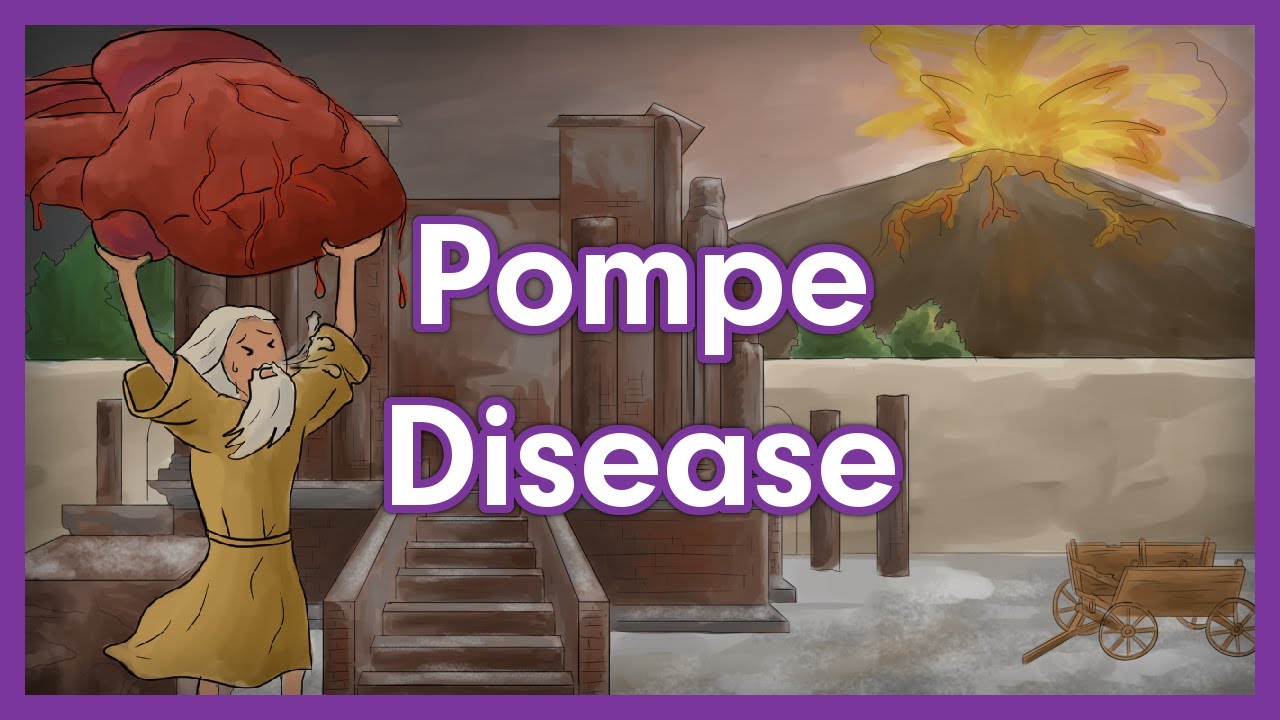
It is the only glycogen storage disease with a defect in lysosomal metabolism and the first glycogen storage disease to be identified in. Glycogen storage disease GSD is a rare condition that changes the way the body uses and stores glycogen a form of sugar or glucose. They result from a problem with one of the proteins known as enzymes involved in the conversion of glucose to glycogen or the breakdown of glycogen back into glucose. Glycogen storage disorders are a group of inherited diseases. When the body needs more energy certain proteins called enzymes break down glycogen into. Glycogen storage disease type 2 also known as Pompe disease or acid maltase deficiency disease is an inherited metabolic disorder.
 Source:
VIA - Vitaflo in Association With You. 1 2 3 While glycogen storage disease type 2 is a single disease it may be classified in 2 forms according to the rates of disease progression its severity and the age at which symptoms start. It is caused by an accumulation of glycogen in the lysosome due to deficiency of the lysosomal acid alpha-glucosidase enzyme. Glycogen storage disease IV Andersens disease is a deficiency of the branching enzyme 14-glucan-6-glycosyl-transferase amylopectinosis in which glycogen and amylo-pectin accumulate in the liver and other organs. They result from a problem with one of the proteins known as enzymes involved in the conversion of glucose to glycogen or the breakdown of glycogen back into glucose.
 Source: slideplayer.com
Association for Glycogen Storage Disease UK AGSD-UK PO Box 1232 Bristol BS48 9DD United Kingdom Telephone. Alpha PHKA2 beta PHKB. GSD type IV also known as amylopectinosis Glycogen Branching enzyme deficiency GBE or Andersen disease is a rare disease that leads to early death. Glycogen Storage Diseases MSC BT III-13006 2. This video serves as a tool for clinicians to explain the role and principles of the ketogenic diet to patients.
 Source: youtube.com
Glycogen storage disease GSD is a rare autosomal-recessive disorder characterized by hypoglycemia hepatosplenomegaly seizures and failure to thrive in infants. When the body needs more energy certain proteins called enzymes break down glycogen into. Most are diagnosed in childhood. Introduction Glycogen- Glycogen an important energy source is found in most tissues but is especially abundant in liver and muscle. It is the only glycogen storage disease with a defect in lysosomal metabolism and the first glycogen storage disease to be identified in.
 Source: youtube.com
Glycogen is a main source of energy for the body. 1 2 3 While glycogen storage disease type 2 is a single disease it may be classified in 2 forms according to the rates of disease progression its severity and the age at which symptoms start. They mostly tend to affect your liver and muscles. Glycogen storage diseases GSDs are inherited inborn errors of metabolism IEM involving carbohydrate metabolism. 172471 and delta CALM1.
 Source: consultqd.clevelandclinic.org
Neutropenia andor neutrophil dysfunction develops in GSD1b but not in other types. In muscle glycogen provides energy for muscle contraction. Glycogen storage disease type IX is a metabolic disorder resulting from a deficiency of hepatic phosphorylase kinase a hexadecameric enzyme comprising 4 copies each of 4 unique subunits encoded by 4 different genes. 1 2 3 While glycogen storage disease type 2 is a single disease it may be classified in 2 forms according to the rates of disease progression its severity and the age at which symptoms start. Type I glycogen storage disease is inherited as an autosomal recessive genetic disorder.
 Source: pinterest.com
In 1956 Andersen reported the first patient with progressive hepatosplenomegaly and accumulation of. Fanconi-Bickel syndrome FBS is a rare inherited glycogen storage disease GSD caused by defects in facilitative Glucose Transporter GLUT2 gene that codes for the glucose transporter protein. Association for Glycogen Storage Disease UK AGSD-UK PO Box 1232 Bristol BS48 9DD United Kingdom Telephone. Glycogen storage disease IV Andersens disease is a deficiency of the branching enzyme 14-glucan-6-glycosyl-transferase amylopectinosis in which glycogen and amylo-pectin accumulate in the liver and other organs. Type I glycogen storage disease is inherited as an autosomal recessive genetic disorder.
 Source: semanticscholar.org
They mostly tend to affect your liver and muscles. GSD1b results from a. They result from a problem with one of the proteins known as enzymes involved in the conversion of glucose to glycogen or the breakdown of glycogen back into glucose. Glycogen storage disease type IX is a metabolic disorder resulting from a deficiency of hepatic phosphorylase kinase a hexadecameric enzyme comprising 4 copies each of 4 unique subunits encoded by 4 different genes. Fanconi-Bickel syndrome FBS is a rare inherited glycogen storage disease GSD caused by defects in facilitative Glucose Transporter GLUT2 gene that codes for the glucose transporter protein.
 Source: slideshare.net
It is caused by an accumulation of glycogen in the lysosome due to deficiency of the lysosomal acid alpha-glucosidase enzyme. Please feel free to share the link with your patients. Glycogen storage disease GSD is a rare autosomal-recessive disorder characterized by hypoglycemia hepatosplenomegaly seizures and failure to thrive in infants. Glycogen storage disease IV Andersens disease is a deficiency of the branching enzyme 14-glucan-6-glycosyl-transferase amylopectinosis in which glycogen and amylo-pectin accumulate in the liver and other organs. Glycogen storage diseases GSDs are inherited inborn errors of metabolism IEM involving carbohydrate metabolism.
 Source: superpuppyone.tumblr.com
1 2 3 While glycogen storage disease type 2 is a single disease it may be classified in 2 forms according to the rates of disease progression its severity and the age at which symptoms start. The glycogen storage diseases GSDs are a group of inherited metabolic disorders that result from a defect in any one of several enzymes required for either glycogen synthesis or glycogen degradation. GSD1b results from a. In the liver glycogen serves as a glucose reserve for the maintenance of normoglycemia. Glycogen storage diseases are a group of disorders in which stored glycogen cannot be metabolized into glucose to supply energy and to maintain steady blood glucose levels for the body.
Source: authorstream.com
They mostly tend to affect your liver and muscles. Glycogen storage diseases GSDs are inherited inborn errors of metabolism IEM involving carbohydrate metabolism. Glycogen storage diseases 1. Glycogen storage disease GSD is a rare autosomal-recessive disorder characterized by hypoglycemia hepatosplenomegaly seizures and failure to thrive in infants. Type I glycogen storage disease is inherited as an autosomal recessive genetic disorder.
 Source: liverfoundation.org
They are very relevant to pediatrics since these diseases may first manifest themselves in neonates or early childhood. In muscle glycogen provides energy for muscle contraction. Glycogen is a main source of energy for the body. VIA - Vitaflo in Association With You. The glycogen storage diseases GSDs are a group of inherited metabolic disorders that result from a defect in any one of several enzymes required for either glycogen synthesis or glycogen degradation.
 Source: youtube.com
Glycogen Storage Diseases MSC BT III-13006 2. In muscle glycogen provides energy for muscle contraction. Glycogen storage disease type IX is a metabolic disorder resulting from a deficiency of hepatic phosphorylase kinase a hexadecameric enzyme comprising 4 copies each of 4 unique subunits encoded by 4 different genes. Glycogen storage disease type 2 also known as Pompe disease or acid maltase deficiency disease is an inherited metabolic disorder. Most are diagnosed in childhood.
 Source: youtube.com
In 1956 Andersen reported the first patient with progressive hepatosplenomegaly and accumulation of. In muscle glycogen provides energy for muscle contraction. They are very relevant to pediatrics since these diseases may first manifest themselves in neonates or early childhood. Glycogen storage disease type 2 also known as Pompe disease or acid maltase deficiency disease is an inherited metabolic disorder. Glycogen storage disease type IV.
 Source: youtube.com
Glycogen storage disease type IX is a metabolic disorder resulting from a deficiency of hepatic phosphorylase kinase a hexadecameric enzyme comprising 4 copies each of 4 unique subunits encoded by 4 different genes. Glycogen storage diseases are a group of disorders in which stored glycogen cannot be metabolized into glucose to supply energy and to maintain steady blood glucose levels for the body. 172471 and delta CALM1. Glycogen storage disease type 2 also known as Pompe disease or acid maltase deficiency disease is an inherited metabolic disorder. 1 2 3 While glycogen storage disease type 2 is a single disease it may be classified in 2 forms according to the rates of disease progression its severity and the age at which symptoms start.
 Source: shefalitayal.com
Neutropenia andor neutrophil dysfunction develops in GSD1b but not in other types. It is caused by an accumulation of glycogen in the lysosome due to deficiency of the lysosomal acid alpha-glucosidase enzyme. Hypoglycemia is not common but symptoms include hepatomegaly growth failure and hypotonia. Glycogen is stored in the liver. They result from a problem with one of the proteins known as enzymes involved in the conversion of glucose to glycogen or the breakdown of glycogen back into glucose.
 Source: shefalitayal.com
IEMs are often caused by single gene mutations that encode specific proteins. The glycogen storage diseases GSDs are a group of inherited metabolic disorders that result from a defect in any one of several enzymes required for either glycogen synthesis or glycogen degradation. They mostly tend to affect your liver and muscles. Glycogen storage disease type IV. Fanconi-Bickel syndrome FBS is a rare inherited glycogen storage disease GSD caused by defects in facilitative Glucose Transporter GLUT2 gene that codes for the glucose transporter protein.
 Source: youtube.com
GSD1b results from a. Glycogen Storage Diseases MSC BT III-13006 2. Glycogen storage disease GSD is a rare autosomal-recessive disorder characterized by hypoglycemia hepatosplenomegaly seizures and failure to thrive in infants. The GSDs can be divided into those with hepatic. Hypoglycemia is not common but symptoms include hepatomegaly growth failure and hypotonia.
 Source: slideshare.net
They mostly tend to affect your liver and muscles. It is the only glycogen storage disease with a defect in lysosomal metabolism and the first glycogen storage disease to be identified in. Association for Glycogen Storage Disease UK AGSD-UK PO Box 1232 Bristol BS48 9DD United Kingdom Telephone. Hypoglycemia is not common but symptoms include hepatomegaly growth failure and hypotonia. GSD type IV also known as amylopectinosis Glycogen Branching enzyme deficiency GBE or Andersen disease is a rare disease that leads to early death.
This site is an open community for users to submit their favorite wallpapers on the internet, all images or pictures in this website are for personal wallpaper use only, it is stricly prohibited to use this wallpaper for commercial purposes, if you are the author and find this image is shared without your permission, please kindly raise a DMCA report to Us.
If you find this site convienient, please support us by sharing this posts to your favorite social media accounts like Facebook, Instagram and so on or you can also save this blog page with the title glycogen storage disease animation by using Ctrl + D for devices a laptop with a Windows operating system or Command + D for laptops with an Apple operating system. If you use a smartphone, you can also use the drawer menu of the browser you are using. Whether it’s a Windows, Mac, iOS or Android operating system, you will still be able to bookmark this website.
Category
Related By Category
- 34+ Explain application of 3d animation information
- 34+ Drone gif animation info
- 20+ Fireboy and watergirl anime ideas
- 18++ Company of animals pet corrector ideas in 2021
- 13++ Animal spirit guides for money ideas in 2021
- 33+ Describe the diversity of the animal kingdom information
- 26+ Apple animals information
- 50+ Best anime movie to watch 2018 information
- 44++ Best anime figures 2019 information
- 37+ Animation of life info