12++ Complications of fluid therapy in animals information
Home » Wallpapers » 12++ Complications of fluid therapy in animals informationYour Complications of fluid therapy in animals images are ready. Complications of fluid therapy in animals are a topic that is being searched for and liked by netizens now. You can Download the Complications of fluid therapy in animals files here. Find and Download all free photos.
If you’re searching for complications of fluid therapy in animals pictures information linked to the complications of fluid therapy in animals interest, you have visit the right blog. Our site always gives you suggestions for viewing the highest quality video and image content, please kindly search and locate more informative video articles and images that fit your interests.
Complications Of Fluid Therapy In Animals. Avoidance of catheter-induced complications begins with careful assessment of the animal. And positive fluid balance with decreases in packed cell volume total protein concentration and body temperature. Intravenous fluids are administered to replace or prevent dehydration treat hypovolemic shock and intravascular volume depletion correct acid-base and electrolyte abnormalities and maintain vascular access for administration of drugs blood product components and parenteral. Pleuritis in horses 5.
 Resuscitative Fluid Therapy For Circulatory Shock Today S Veterinary Practice From todaysveterinarypractice.com
And positive fluid balance with decreases in packed cell volume total protein concentration and body temperature. Intravenous fluids are administered to replace or prevent dehydration treat hypovolemic shock and intravascular volume depletion correct acid-base and electrolyte abnormalities and maintain vascular access for administration of drugs blood product components and parenteral. Canine and feline blood banking and product administration. Techniques and complications of vascular access. Complications of Fluid Therapy Intravenous Catheterization. Serious cases of vomiting and diarrhea often result in dehydration.
Monitoring Fluid Therapy and Complications of Fluid.
Intravenous catheters should be changed and rotated to another site every 72 hours in order to. Blood clots can form inside the catheter especially when fluid administration isnt constant. Those high fluid rates may actually lead to worsened outcomes including increased body weight and lung water. The intravenous administration of fluids is one of the most important aspects of patient care in hospitalized animals. Fluid filled obstructed bowel 4. Canine and feline blood banking and product administration.
 Source: slideplayer.com
910 Note that infusion of. If the animals weight declines despite fluid therapy it is assumed that ongoing losses such as high urine output vomiting diarrhea salivation or evaporative losses caused by fever or hyperthermia are in excess of fluids administered Unless an animal has been rapidly infused with a fluid that contains added potassium chloride hyperkalemia. Complications of Fluid Therapy Like any drug used in clinical medicine fluids are not benign and their use can potentially lead to life-threatening complications including respiratory distress secondary to volume overload coagulopathies electrolyte abnormalities acid-base distur-bances and propagation of inflammation14 Fluid prescriptions. And positive fluid balance with decreases in packed cell volume total protein concentration and body temperature. The more common complications include phlebitis catheter sepsis fluid overload and the inadvertent flow of fluid into the surrounding perivascular subcutaneous tissue.
 Source: todaysveterinarynurse.com
If the fluid line becomes disconnected with the animal draped for surgery it may not be detected quickly and the animal may experience substantial blood loss from the catheter. Third Space Fluid Loss Functionally lost from the animal but still within the body It can be considered a pathologic expansion of the transcellular space. The intravenous administration of fluids is one of the most important aspects of patient care in hospitalized animals. Intravenous fluids are administered to replace or prevent dehydration treat hypovolemic shock and intravascular volume depletion correct acid-base and electrolyte abnormalities and maintain vascular access for administration of drugs blood product components and parenteral. 9 linhas Weighing the animal several times a day will assist in estimating fluid loss or gain.
 Source: todaysveterinarypractice.com
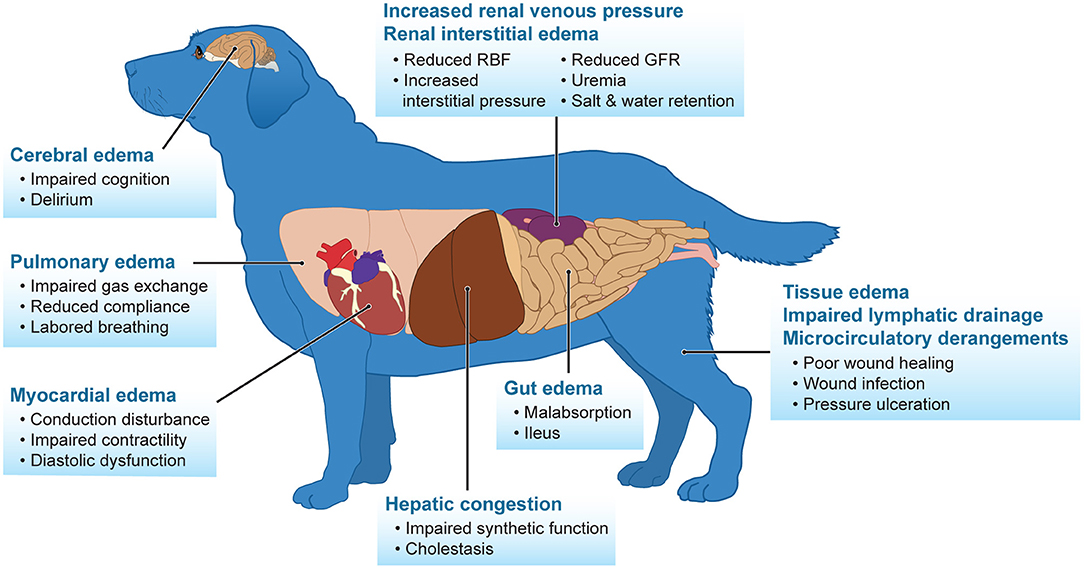
Fluid therapy can exacerbate pulmonary dysfunction by increasing hydrostatic pressure and endothelial dysfunction caused by inflammation at the level of the pulmonary capillaries ultimately leading to fluid extravasation and impaired gas exchange. When the patient is prepared for a surgical procedure the anesthetist should make sure to set up the fluid lines so that an injection port is accessible without the need to reach under the drapes. Acid-base and Electrolyte. The more common complications include phlebitis catheter sepsis fluid overload and the inadvertent flow of fluid into the surrounding perivascular subcutaneous tissue. Complications of Fluid Therapy Intravenous Catheterization.
 Source: todaysveterinarynurse.com
Third Space Fluid Loss Functionally lost from the animal but still within the body It can be considered a pathologic expansion of the transcellular space. Pleuritis in horses 5. 62 Fluid therapy Dehydration Approach to an animal which is not drinking or urinating Dehydration is a serious welfare concern in working equids and is known to be a contributing factor to exhaustion heat stroke reduced work capacity and work-related skin injuries. Components of the crystalloid fluids and potential complications of fluid therapy. Avoidance of catheter-induced complications begins with careful assessment of the animal.
 Source: slidetodoc.com
Fluid therapy can exacerbate pulmonary dysfunction by increasing hydrostatic pressure and endothelial dysfunction caused by inflammation at the level of the pulmonary capillaries ultimately leading to fluid extravasation and impaired gas exchange. When the patient is prepared for a surgical procedure the anesthetist should make sure to set up the fluid lines so that an injection port is accessible without the need to reach under the drapes. Avoidance of catheter-induced complications begins with careful assessment of the animal. Fluid therapy can exacerbate pulmonary dysfunction by increasing hydrostatic pressure and endothelial dysfunction caused by inflammation at the level of the pulmonary capillaries ultimately leading to fluid extravasation and impaired gas exchange. Intravenous fluids are administered to replace or prevent dehydration treat hypovolemic shock and intravascular volume depletion correct acid-base and electrolyte abnormalities and maintain vascular access for administration of drugs blood product components and parenteral.
 Source:
9 linhas Weighing the animal several times a day will assist in estimating fluid loss or gain. To expand on the theme of love todays blog highlights the reasons veterinarians love fluid therapy for their patients. Acid-base and Electrolyte. Although the benefits of intravenous catheterization and fluid administration are numerous inherent risks are associated with the procedures and care must be taken to avoid potential complications. 910 Note that infusion of.
 Source: pdfprof.com
When the patient is prepared for a surgical procedure the anesthetist should make sure to set up the fluid lines so that an injection port is accessible without the need to reach under the drapes. Ideally the choice of. If the fluid line becomes disconnected with the animal draped for surgery it may not be detected quickly and the animal may experience substantial blood loss from the catheter. 910 Note that infusion of. Those high fluid rates may actually lead to worsened outcomes including increased body weight and lung water.
 Source: todaysveterinarypractice.com
Canine and feline blood banking and product administration. Pleuritis in horses 5. The more common complications include phlebitis catheter sepsis fluid overload and the inadvertent flow of fluid into the surrounding perivascular subcutaneous tissue. Serious cases of vomiting and diarrhea often result in dehydration. Intravenous catheters should be changed and rotated to another site every 72 hours in order to.
 Source: todaysveterinarynurse.com
Thrombosis and thromboembolism two common complications of intervenous therapy in pets. The intravenous administration of fluids is one of the most important aspects of patient care in hospitalized animals. Diagnosis and treatment of electrolyte abnormalities. The intravenous administration of fluids is one of the most important aspects of patient care in hospitalized animals. When the patient is prepared for a surgical procedure the anesthetist should make sure to set up the fluid lines so that an injection port is accessible without the need to reach under the drapes.
Source: todaysveterinarypractice.com
Signs of overhydration include a 10 weight gain the development of chemosis serous nasal discharge increased respiratory rate or effort harsh lung sounds or crackles on auscultation. The intravenous administration of fluids is one of the most important aspects of patient care in hospitalized animals. Intravenous fluids are administered to replace or prevent dehydration treat hypovolemic shock and intravascular volume depletion correct acid-base and electrolyte abnormalities and maintain vascular access for administration of drugs blood product components and parenteral. Fluid therapy can exacerbate pulmonary dysfunction by increasing hydrostatic pressure and endothelial dysfunction caused by inflammation at the level of the pulmonary capillaries ultimately leading to fluid extravasation and impaired gas exchange. Ideally the choice of.
 Source: todaysveterinarypractice.com
Blood clots can form inside the catheter especially when fluid administration isnt constant. How much fluid does the animal require. 22 Based on human studies showing better outcomes and decreased need for mechanical ventilation fluid therapy in an animal with suspected or diagnosed. Serious cases of vomiting and diarrhea often result in dehydration. To expand on the theme of love todays blog highlights the reasons veterinarians love fluid therapy for their patients.
 Source: nature.com
If the animals weight declines despite fluid therapy it is assumed that ongoing losses such as high urine output vomiting diarrhea salivation or evaporative losses caused by fever or hyperthermia are in excess of fluids administered Unless an animal has been rapidly infused with a fluid that contains added potassium chloride hyperkalemia. Blood clots can form inside the catheter especially when fluid administration isnt constant. 62 Fluid therapy Dehydration Approach to an animal which is not drinking or urinating Dehydration is a serious welfare concern in working equids and is known to be a contributing factor to exhaustion heat stroke reduced work capacity and work-related skin injuries. Intravenous catheters should be changed and rotated to another site every 72 hours in order to. Complications can progress and what starts out as phlebitis can lead to endocarditis.
 Source: todaysveterinarypractice.com
If the animals weight declines despite fluid therapy it is assumed that ongoing losses such as high urine output vomiting diarrhea salivation or evaporative losses caused by fever or hyperthermia are in excess of fluids administered Unless an animal has been rapidly infused with a fluid that contains added potassium chloride hyperkalemia. Fluid therapy can exacerbate pulmonary dysfunction by increasing hydrostatic pressure and endothelial dysfunction caused by inflammation at the level of the pulmonary capillaries ultimately leading to fluid extravasation and impaired gas exchange. Complications can progress and what starts out as phlebitis can lead to endocarditis. Although the benefits of intravenous catheterization and fluid administration are numerous inherent risks are associated with the procedures and care must be taken to avoid potential complications. Complications of Fluid Therapy Intravenous Catheterization.
 Source: todaysveterinarynurse.com
Blood clots can form inside the catheter especially when fluid administration isnt constant. Monitoring Fluid Therapy and Complications of Fluid. Complications of Fluid Therapy Like any drug used in clinical medicine fluids are not benign and their use can potentially lead to life-threatening complications including respiratory distress secondary to volume overload coagulopathies electrolyte abnormalities acid-base distur-bances and propagation of inflammation14 Fluid prescriptions. Blood clots can form inside the catheter especially when fluid administration isnt constant. Ideally the choice of.
 Source: frontiersin.org
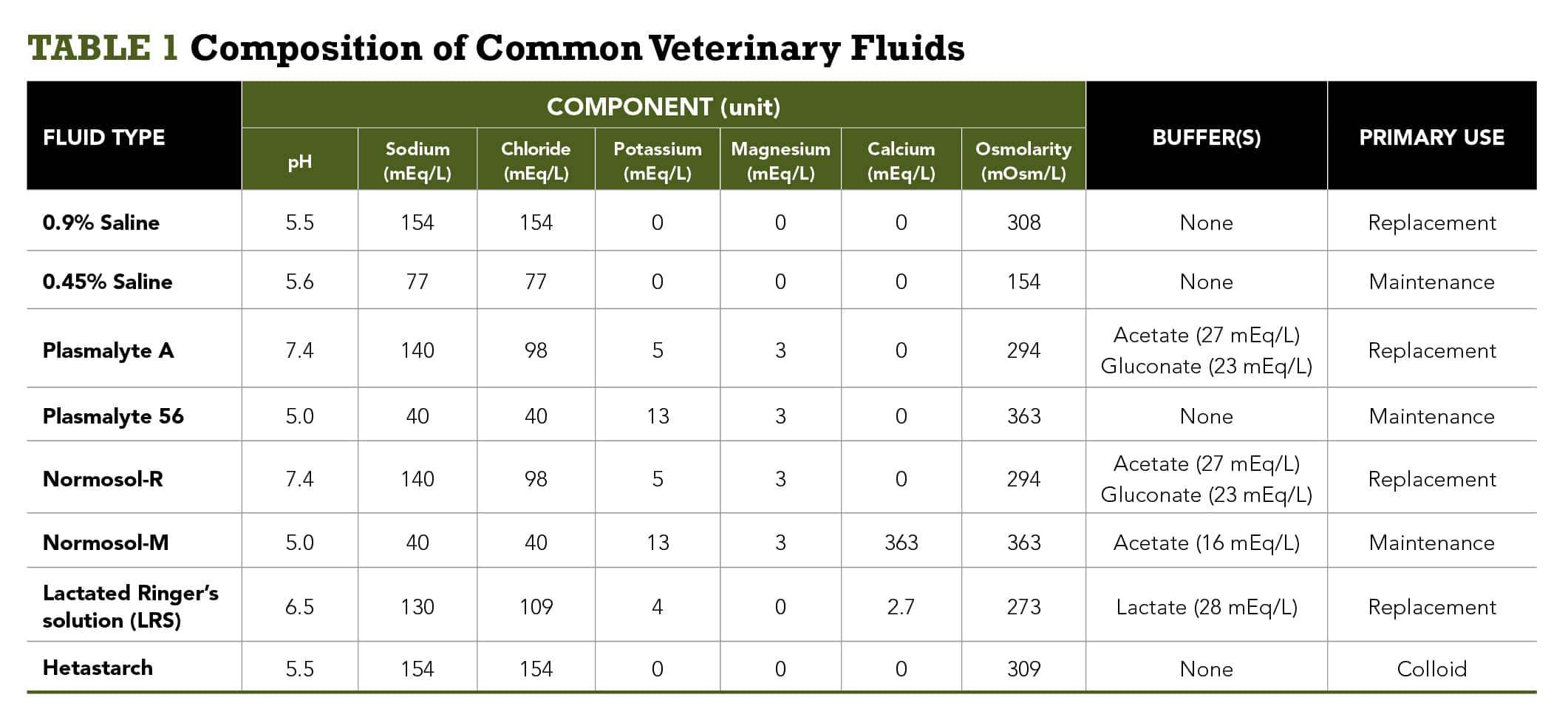
If the fluid line becomes disconnected with the animal draped for surgery it may not be detected quickly and the animal may experience substantial blood loss from the catheter. Techniques and complications of vascular access. Components of the crystalloid fluids and potential complications of fluid therapy. Intravenous fluids are administered to replace or prevent dehydration treat hypovolemic shock and intravascular volume depletion correct acid-base and electrolyte abnormalities and maintain vascular access for administration of drugs blood product components and parenteral. A wide variety of crystalloid fluids is available for veterinary use.
 Source: vetfolio.com
Avoidance of catheter-induced complications begins with careful assessment of the animal. Fluid filled obstructed bowel 4. If the animals weight declines despite fluid therapy it is assumed that ongoing losses such as high urine output vomiting diarrhea salivation or evaporative losses caused by fever or hyperthermia are in excess of fluids administered Unless an animal has been rapidly infused with a fluid that contains added potassium chloride hyperkalemia. Acid-base and Electrolyte. Diagnosis and treatment of electrolyte abnormalities.
 Source: frontiersin.org
Serious cases of vomiting and diarrhea often result in dehydration. Those high fluid rates may actually lead to worsened outcomes including increased body weight and lung water. If the fluid line becomes disconnected with the animal draped for surgery it may not be detected quickly and the animal may experience substantial blood loss from the catheter. Intravenous catheterization also can provide a means of blood sample collection thus avoiding frequent and uncomfortable venipunctures in critically ill animals. Monitoring Fluid Therapy and Complications of Fluid.
 Source: slideplayer.com
Intravenous catheters should be changed and rotated to another site every 72 hours in order to. Although the benefits of intravenous catheterization and fluid administration are numerous inherent risks are associated with the procedures and care must be taken to avoid potential complications. How much fluid does the animal require. Intravenous fluids are administered to replace or prevent dehydration treat hypovolemic shock and intravascular volume depletion correct acid-base and electrolyte abnormalities and maintain vascular access for administration of drugs blood product components and parenteral. When the patient is prepared for a surgical procedure the anesthetist should make sure to set up the fluid lines so that an injection port is accessible without the need to reach under the drapes.
This site is an open community for users to do sharing their favorite wallpapers on the internet, all images or pictures in this website are for personal wallpaper use only, it is stricly prohibited to use this wallpaper for commercial purposes, if you are the author and find this image is shared without your permission, please kindly raise a DMCA report to Us.
If you find this site serviceableness, please support us by sharing this posts to your favorite social media accounts like Facebook, Instagram and so on or you can also bookmark this blog page with the title complications of fluid therapy in animals by using Ctrl + D for devices a laptop with a Windows operating system or Command + D for laptops with an Apple operating system. If you use a smartphone, you can also use the drawer menu of the browser you are using. Whether it’s a Windows, Mac, iOS or Android operating system, you will still be able to bookmark this website.
Category
Related By Category
- 34+ Explain application of 3d animation information
- 34+ Drone gif animation info
- 20+ Fireboy and watergirl anime ideas
- 18++ Company of animals pet corrector ideas in 2021
- 13++ Animal spirit guides for money ideas in 2021
- 33+ Describe the diversity of the animal kingdom information
- 26+ Apple animals information
- 50+ Best anime movie to watch 2018 information
- 44++ Best anime figures 2019 information
- 37+ Animation of life info